Start with the reason the door is not working
Repair and replacement solve different problems. A worn component on an otherwise suitable assembly is different from a door with repeated structural damage, widespread corrosion or unavailable matching sections. The decision should begin with an inspection of the complete system.
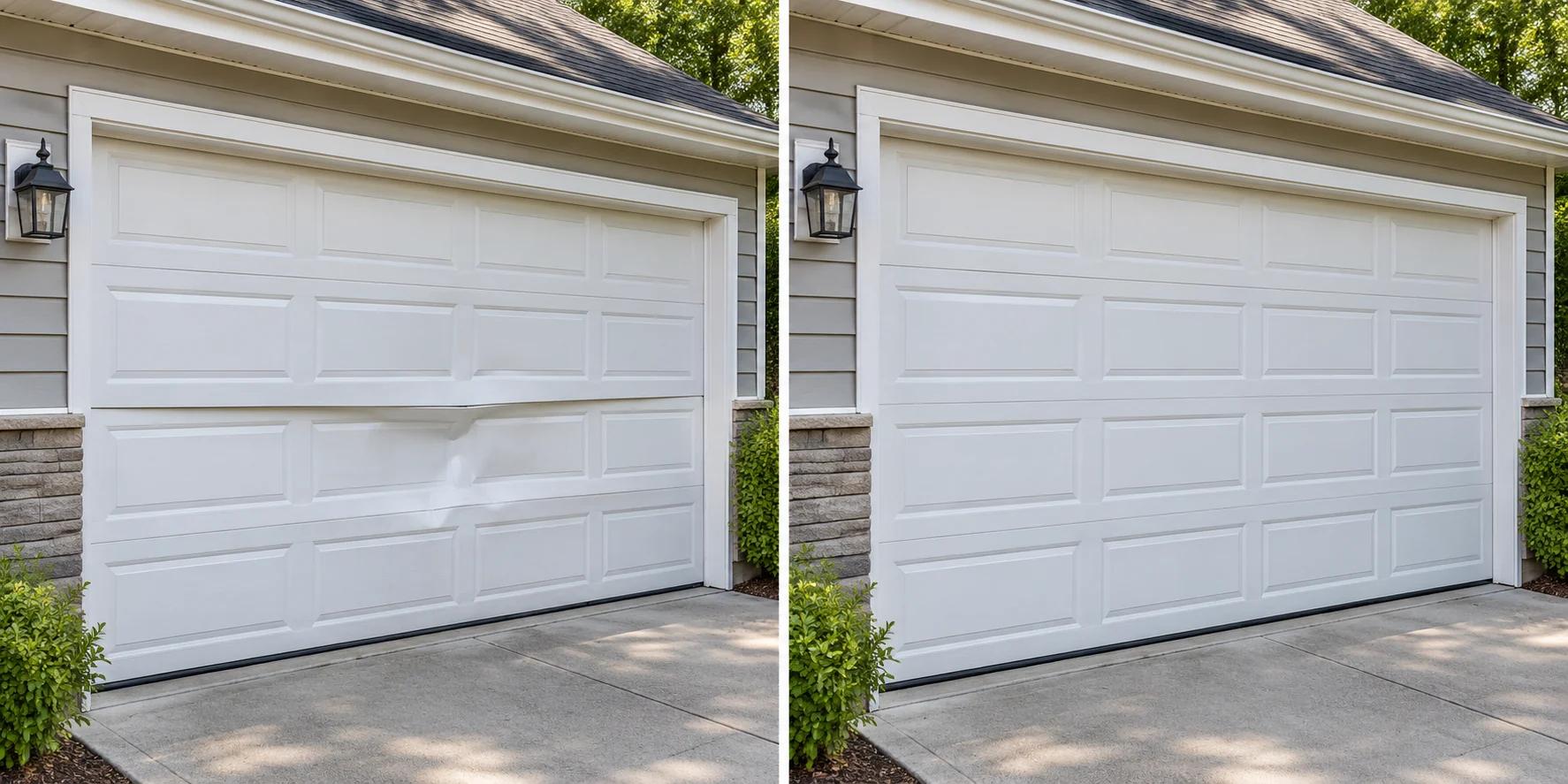
Write down what changed and whether the door still travels evenly. A panel dent may be mostly cosmetic, or it may interfere with how sections articulate. A technician needs to determine that difference before a sensible scope can be proposed.
A matching panel needs more than a similar color
Section profiles, hinge locations, dimensions and weight can vary even when two panels look alike. Availability also depends on the original manufacturer and model. Ask whether the proposed section is compatible with the existing door and lifting system.
The before/after condition illustration helps explain alignment; it is not a record of a completed customer job. The individual door’s structure and hardware still determine what work is appropriate.
Compare the whole system, not just the face
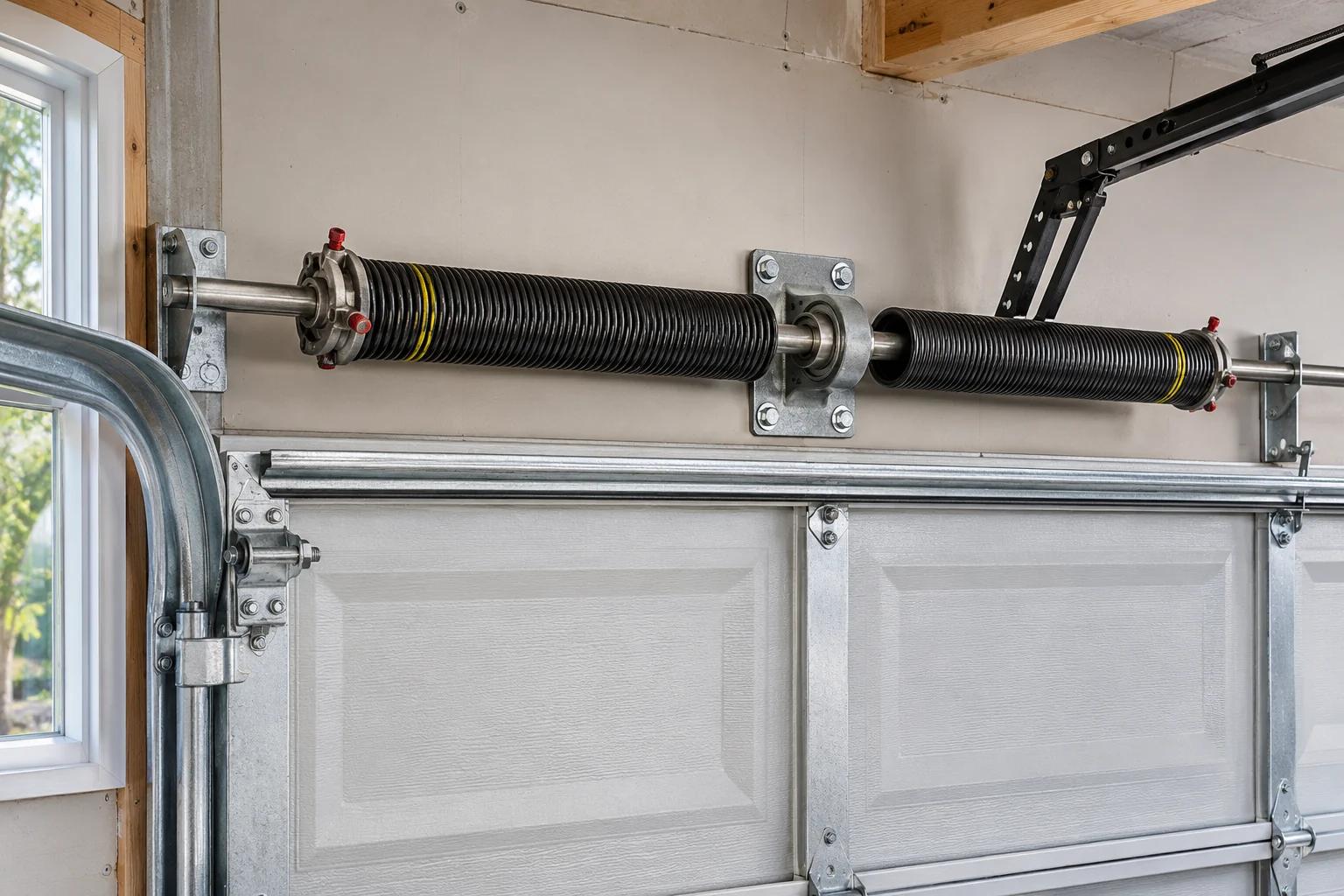
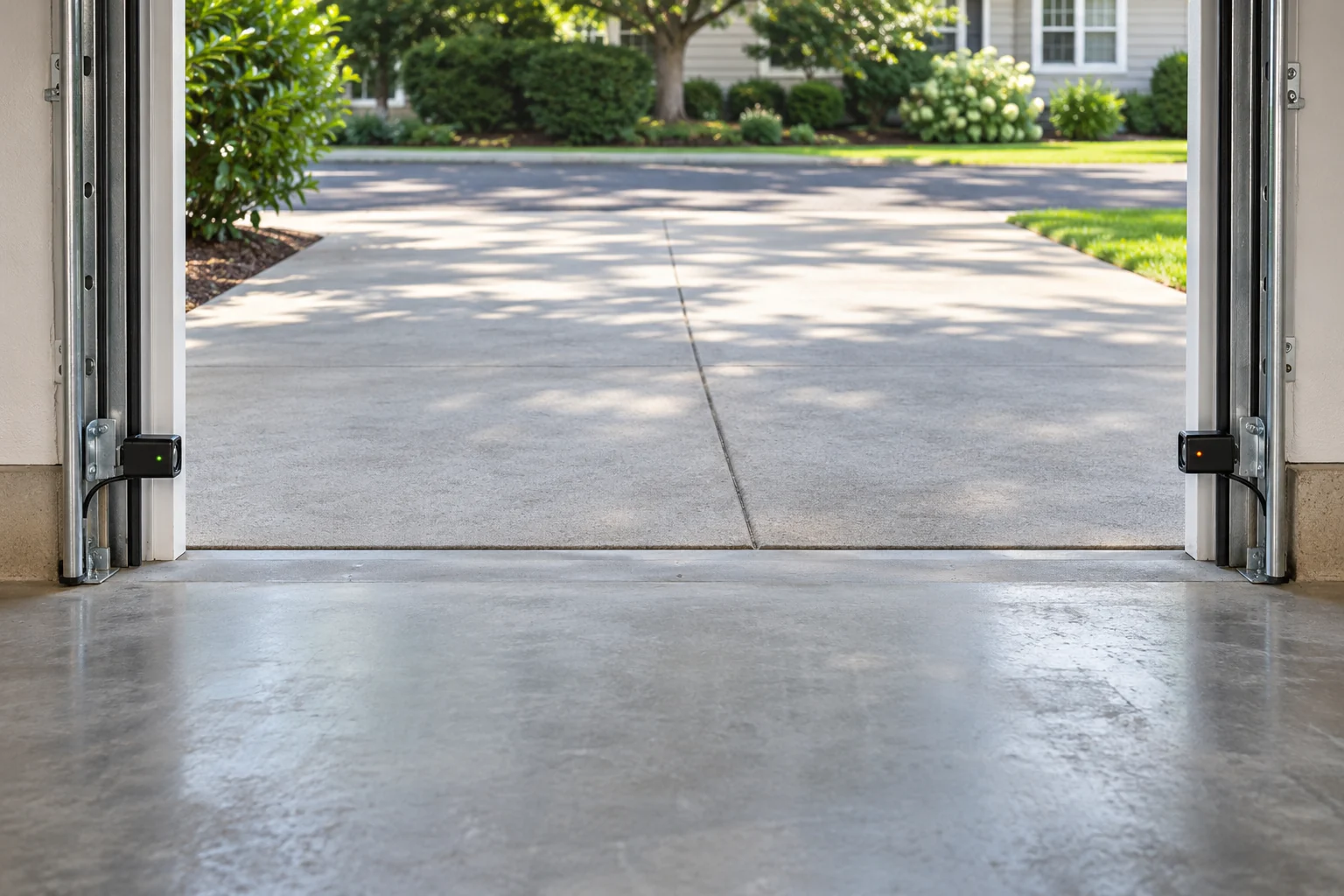
A replacement conversation may include the tracks, hinges, springs, cables, mounting surfaces and opener compatibility. Existing hardware should not be presumed reusable without assessment. A new exterior can hide unresolved movement or safety issues if those parts are ignored.
Use the replacement service guide to plan the questions. If the door is generally sound but its operator behaves differently, the opener-repair page describes a separate inspection path.
A practical comparison table
| Question | Repair conversation | Replacement conversation |
|---|---|---|
| Is the damage isolated? | Identify the affected component. | Review the condition of the full assembly. |
| Are compatible parts available? | Confirm the exact model and specification. | Compare a matched new system. |
| Does the door move evenly? | Investigate the cause of a new fault. | Plan new hardware and balance as needed. |
| Are home requirements changing? | Preserve a suitable existing configuration. | Review windows, insulation, clearance and controls. |
This table organizes the conversation; it does not determine the outcome without inspection.
Keep appearance and operating needs together
A garage door is a large part of the front elevation, but its daily use matters just as much. Consider daylight, privacy, interior clearance and access during a power interruption. For attached garages, discuss insulation as part of the overall envelope rather than assuming a door alone conditions the space.
The Sacramento door-selection guide and battery-backup guide connect these choices to installation planning. Property-manager or association approvals may also shape the timing.
Ask for an explanation you can use later
Before agreeing to a scope, ask what failed, what is being retained, what is being replaced and how the completed system will be checked. Keep equipment details and care instructions so the next service conversation starts with the correct information.
Clopay’s residential buying guide provides manufacturer context for door selection. Call with the ZIP and symptoms to discuss local availability, including North Highlands and Folsom.
Separate essential repair from an optional change
Ask for the proposed work to identify the failed part, the associated damage and the checks required before normal use. Then discuss optional changes such as windows, connected controls or a different exterior finish separately. A clear explanation makes it easier to judge whether the recommendation solves the original symptom.
For a retained component, ask why it remains suitable. For a new component, ask what must change with it. A replacement section can change weight; a whole door can change track requirements. The operator’s ability to turn on does not establish that its mounting, door compatibility and backup arrangement suit a replacement project. Keep the scope tied to the actual system and the responsible installer’s assessment.
Understand the difference between appearance and structure
A scratched finish, a shallow dent and a panel joint that is pulling apart are different observations. Do not dismiss damage because the door still opens, or assume that every visible mark affects structural operation. The inspection should explain whether the section can move correctly, whether attachments are sound and whether exact compatible parts remain available.
For a street-facing door, discuss how a new section might look beside weathered panels. That finish difference can affect your preference without deciding the engineering question. If a complete new door is proposed, review the interior clearance and work boundary as well as its front view. Ask whether removal, disposal, seals, hardware and any separate building work are included. Save the chosen model, written scope and care instructions together; they will be more useful for a future repair than a description such as “the same white door.”