Notice when the sound happens
A rattle at the same point in travel is a different clue from a hum with no door movement. A squeal near one side may involve different parts from vibration along the ceiling rail. Describe the timing, location and change from the normal sound rather than naming a part too soon.
Observe only from outside the opening and travel path. If the sound arrives with uneven movement, a loose cable or an unusually heavy door, stop operating it. Noise by itself does not establish whether continued use is safe.
The door and drive system can both contribute
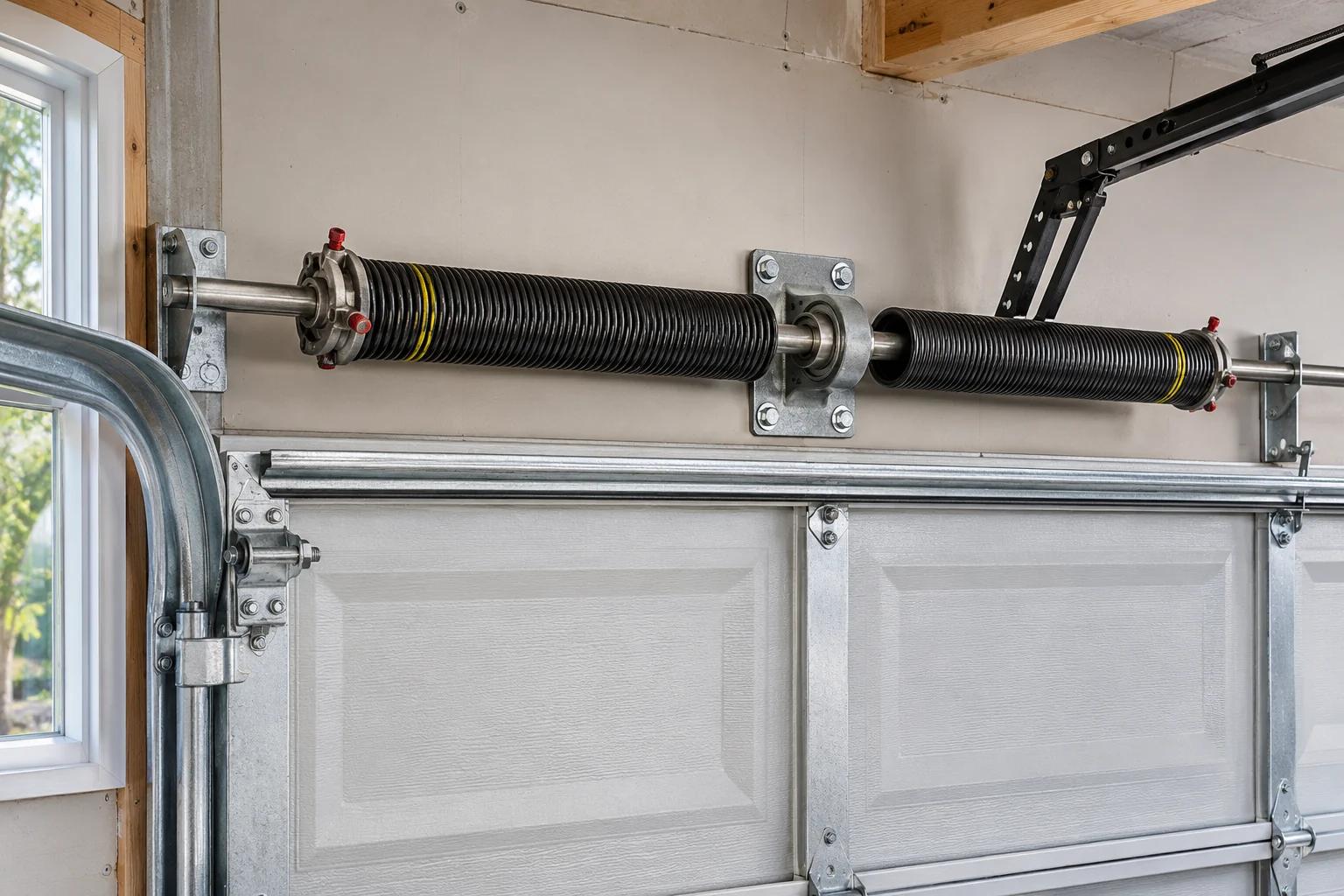
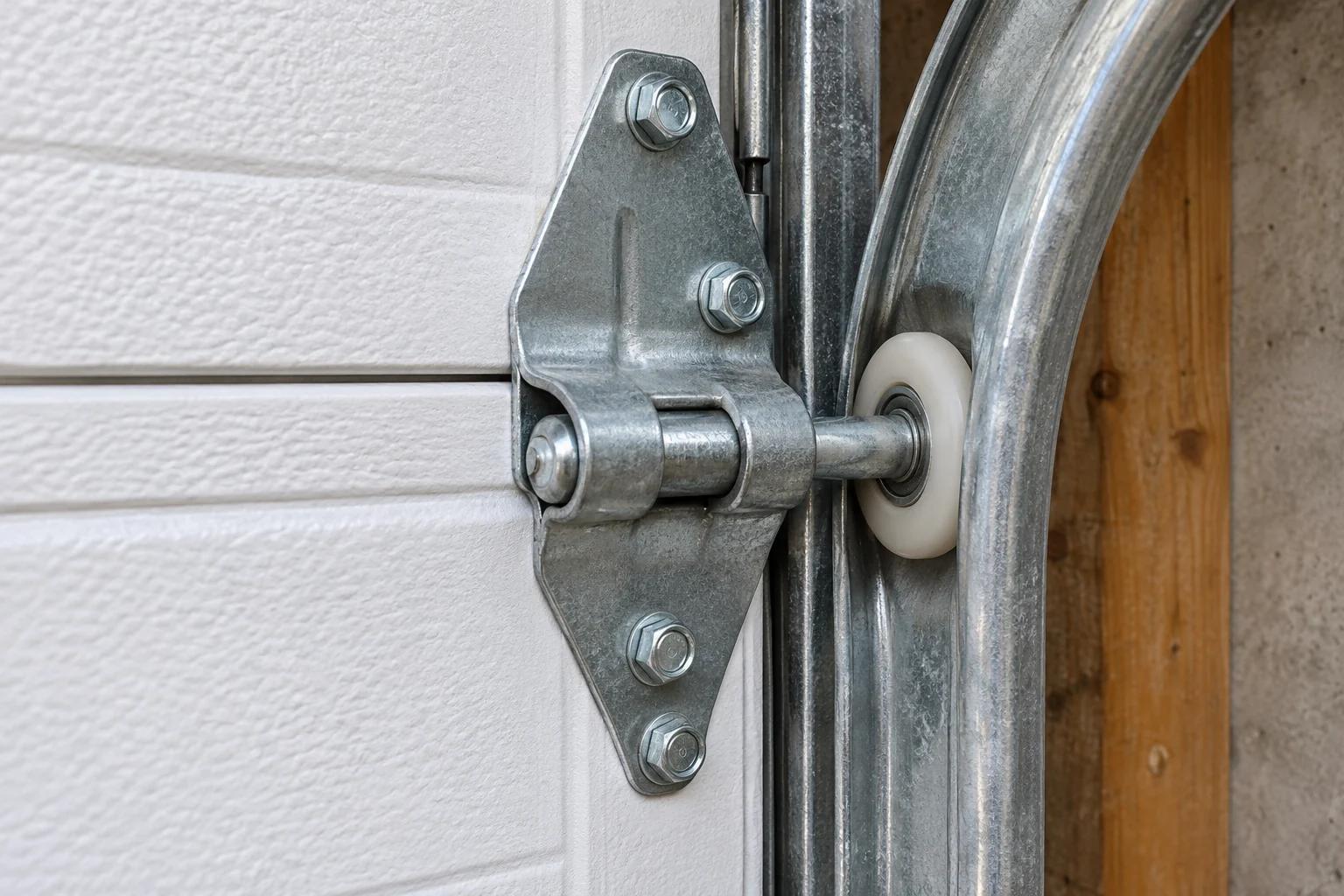
Rollers, hinges, mounting hardware, panel joints and tracks move or carry load as the door travels. The operator’s rail and drive components add another possible source. A worn or poorly moving door can also place extra strain on an otherwise functioning opener.
That is why a quieter replacement motor is not automatically the answer. The opener-repair guide and maintenance service page describe complementary parts of a complete-system assessment.
Avoid the coat-everything approach
Different products and hardware have different maintenance instructions. Filling a track with grease or spraying every surface can create a mess without correcting wear, alignment or balance. Keep lubricants away from places where the installed manufacturer’s instructions prohibit them.
Do not tighten or remove unfamiliar brackets or tensioned components as a trial-and-error noise fix. Ask a technician which parts need attention and what maintenance is appropriate for the identified model.
Make a concise symptom record
| Observation | Useful detail |
|---|---|
| Timing | At startup, mid-travel, or near the floor? |
| Direction | Opening, closing, or both? |
| Location | Ceiling rail, one side, panel joints, or throughout? |
| Change | Sudden after an impact, or gradual over time? |
| Movement | Even travel, hesitation, or visible tilting? |
These notes help an enquiry stay concrete without asking you to investigate under a moving door.
Consider the rooms around the garage
If a bedroom or work area shares a boundary with the garage, vibration and operating sound may matter to the household. Explain that context when discussing options. The mounting arrangement and door condition matter alongside the drive style.
A properly selected opener still needs a compatible, balanced door. If the recommendation includes a new operator, ask about clearance, accessories and backup operation in California. Avoid selecting on one advertised feature alone.
Move from a sound to an inspection plan
Have the property ZIP, the visible model details and the symptom record ready. Call any time to discuss the next step and local scheduling. Antelope and Elk Grove pages show their specific eligible ZIPs.
For general maintenance context use DASMA’s maintenance information and the actual door and opener manuals. If the sound is a bang followed by loss of normal lifting, read broken spring warning signs and stop further attempts until the system is assessed.
Describe the sound path as well as the sound
A vibration heard in an upstairs room can originate in the door, mounting or operator rail and travel through the building. Tell the receiving service where the sound is most noticeable and whether it occurs at startup or throughout the cycle. A phone recording made earlier from a safe position may help your own notes; do not stand close to moving hardware or run an unstable door to collect one.
For a garage with two doors, identify the affected opening and its controls. Avoid comparing sound alone if the doors have different materials, sizes or mounting layouts. The quieter opening is not proof that a particular part has failed on the other. A useful inspection relates the sound to actual movement and wear.
Ask how the proposed remedy addresses the noise
If the recommendation is lubrication, ask which approved points and product apply to the identified hardware. If a roller, hinge or drive component is proposed, ask what wear or damage supports the replacement. If a new operator is suggested, ask whether the door’s balance, track and mounting have been evaluated first.
The follow-up observation should match the original complaint: the same direction of travel, the same part of the cycle and the same room where vibration was noticed, provided the system has been confirmed safe. A different sound after work can have a different cause, so retain the original notes rather than judging only whether the motor runs. Ask which findings still need attention and which owner maintenance tasks are appropriate. A tune-up can address some wear and friction, but it cannot make a deformed track, damaged lifting cable or unsupported assembly safe through lubricant alone.