Begin with the instructions for your equipment
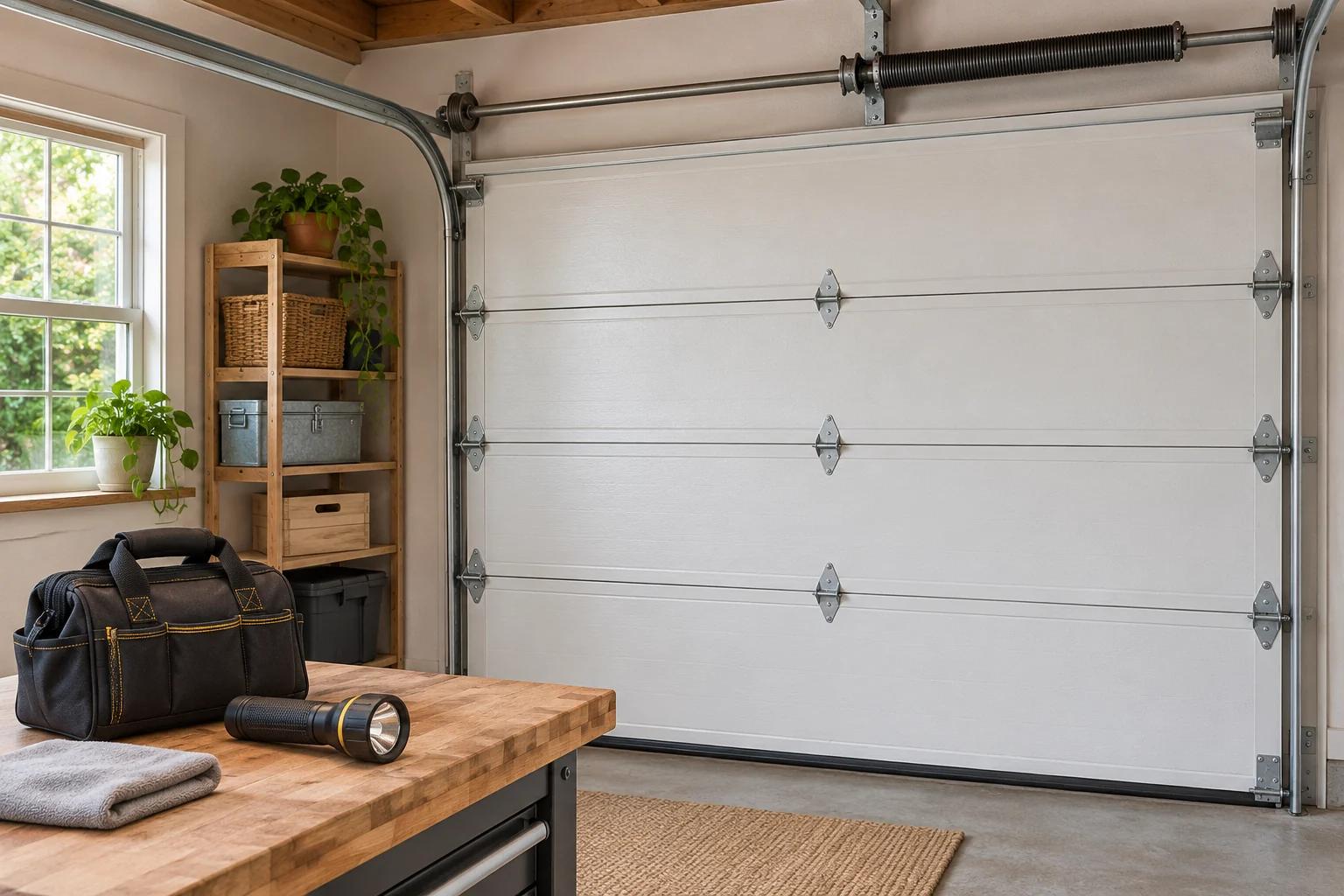
A maintenance routine should follow the installed door and operator manuals. Different materials, rollers, drive systems and controls can require different care. Keep the make, model and previous service information together so advice applies to the actual system.
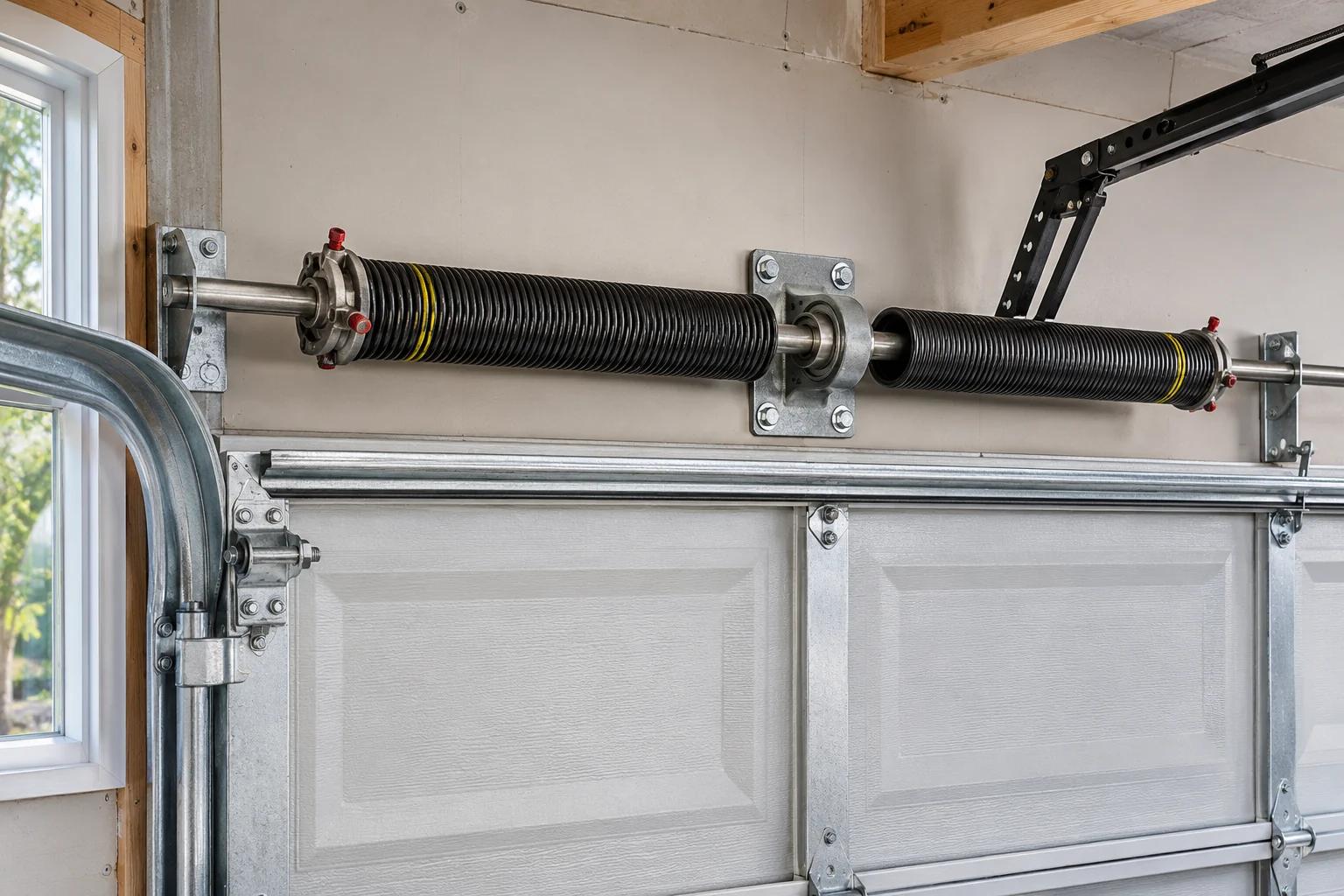
A visual review is not permission to adjust spring tension, remove brackets or handle lifting cables. If you see damage, uneven support or a loose cable, stop using the opening and arrange a trained inspection.
Look at the door while it is stationary
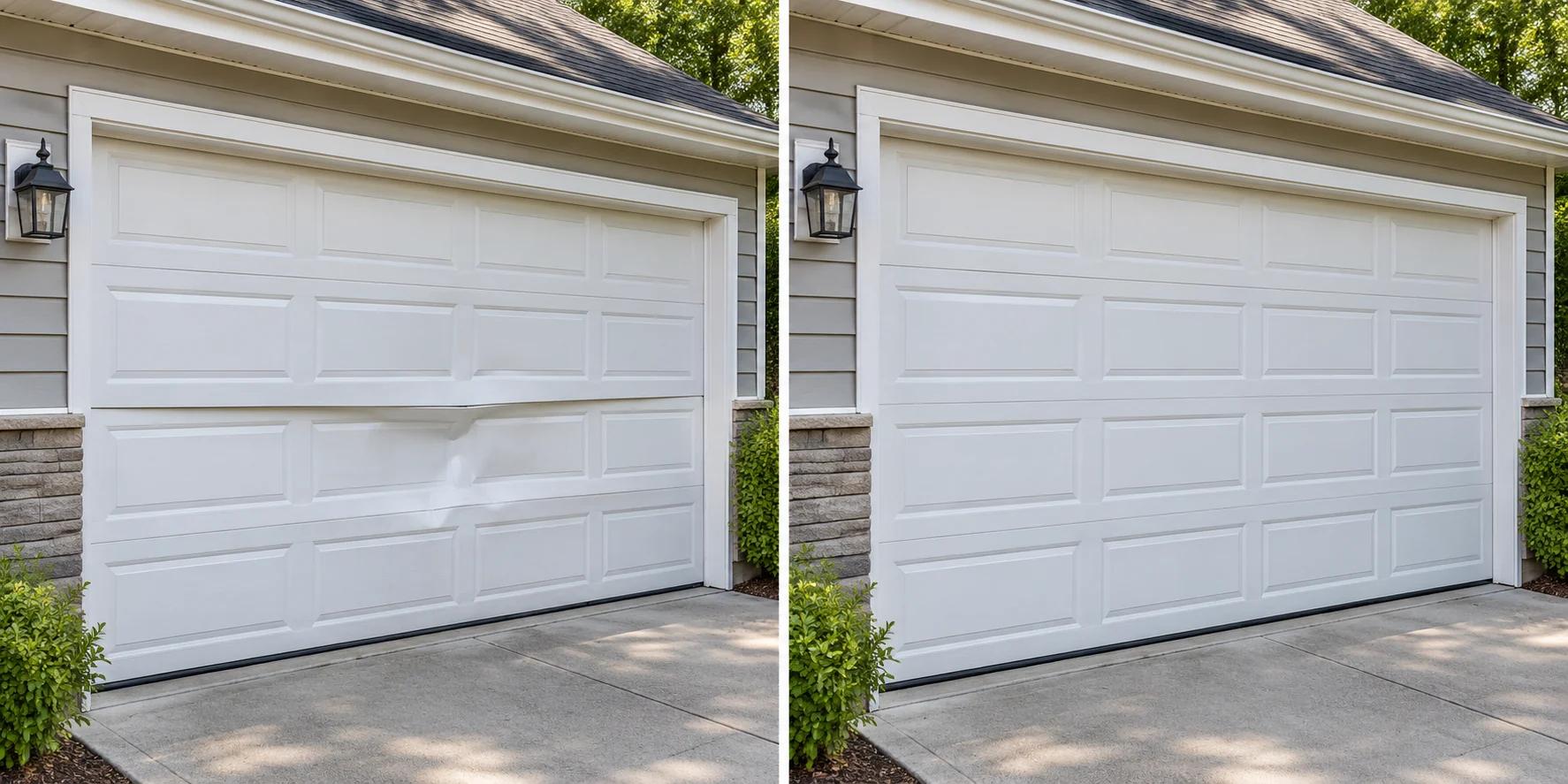
From a safe position, note dents, panel separation, obvious hardware damage, worn seals or debris near the threshold. Check whether the new issue followed an impact or a change in operating sound. A photograph from outside the travel path may help your own record.
Do not stand beneath a raised door to inspect it. A door that looks secure from the front can still have a lifting-system problem. The spring warning-sign guide explains why a sudden change in weight or a loud bang deserves caution.
Organize the observations by component
| Area | What to note from a safe position | Professional attention when |
|---|---|---|
| Panels | Dents, separated joints, changed alignment | A section binds or the door is crooked |
| Seals | Visible wear or a persistent gap | The cause is unclear or the threshold is uneven |
| Controls | Different response from remote and wall control | Operation is unreliable or indicators change |
| Hardware | Visible damage or a new sound | A cable, spring or support appears affected |
The list records symptoms; it is not a repair procedure.
Consider the opening’s surroundings
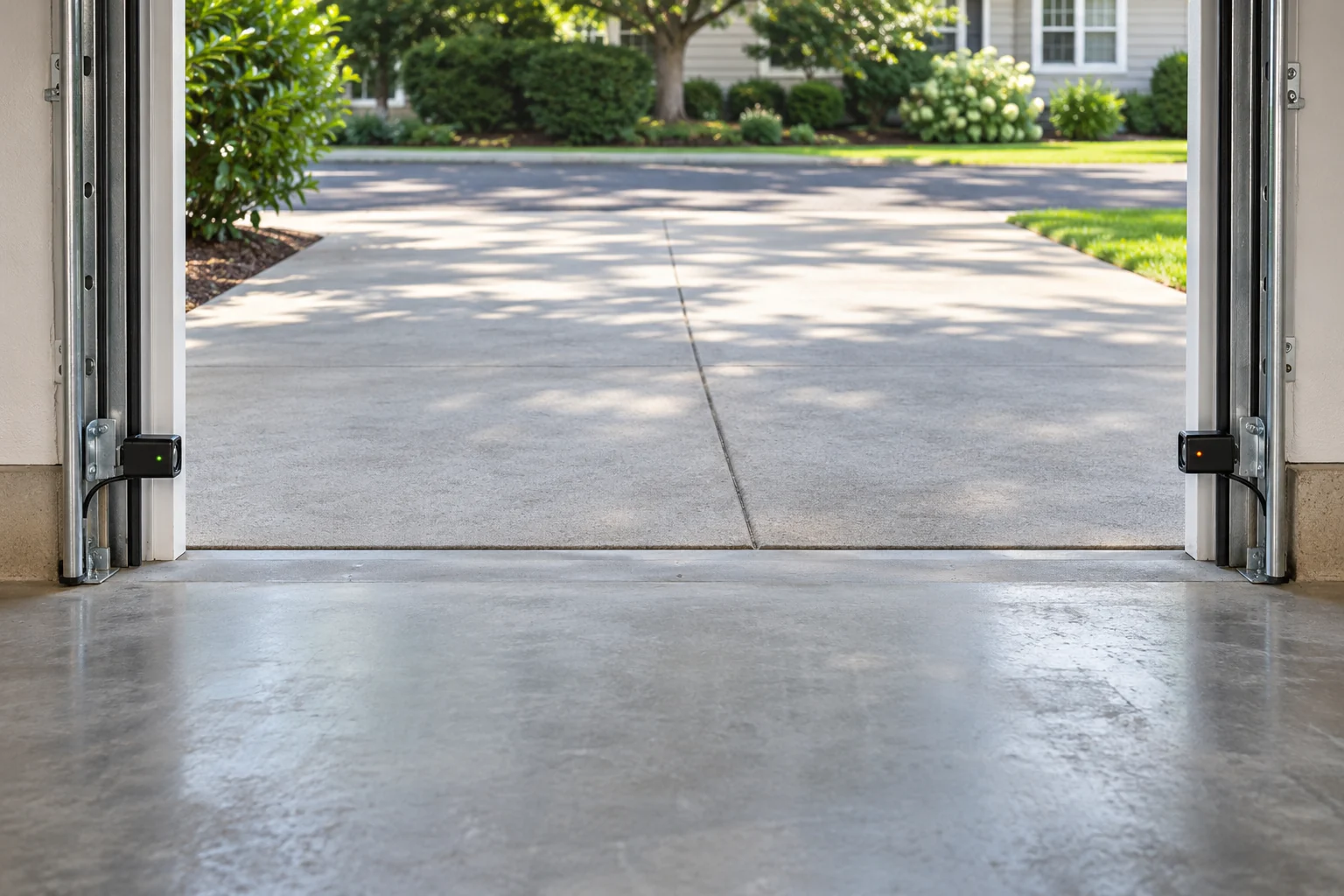
Keep ordinary debris out of the opening when the door is stationary and it is safe to do so. Seasonal leaves, stored items or misplaced equipment can interfere with access or the sensor path. Do not use force settings to overcome a problem at the floor.
For attached garages, perimeter seals are only one part of the envelope. A new strip cannot solve every drainage, slab or alignment issue. Ask for the cause of a gap to be identified before choosing a remedy.
Include the safety systems in professional review
A maintenance conversation should cover how the complete assembly moves and how the operator’s protective features are checked. Testing instructions are model-specific and must be followed safely. Never disable a safety device to make the door close.
The DASMA consumer inspection checklist and the equipment manual provide useful starting references. Garage door maintenance and opener repair may involve different findings from the same symptom.
Keep a short, useful maintenance record
Record the date of an observed change, the exact symptom and any service recommendations received. Save model details, care instructions and the description of work performed. A future technician can use that history instead of starting with an uncertain account of a previous repair.
Call with your ZIP to discuss an inspection and local availability. The Fair Oaks and Rancho Cordova pages show ZIP-specific coverage. For door selection after a wider condition review, use the repair-or-replacement guide.
Use a routine that responds to actual changes
Keep the inspection schedule recommended by the equipment manufacturer and discuss how frequent use or exposure affects the appropriate service plan. A lightly used detached garage and an opening carrying repeated daily vehicle movements do not necessarily have the same maintenance needs. Avoid treating a calendar reminder as evidence that the system remains safe between visits.
An impact, sudden bang, new cable slack or uneven movement changes the decision immediately: stop using the door and arrange assessment. Do not wait for a routine visit while continuing to cycle a visibly troubled assembly. Conversely, ordinary stationary observations should not turn into unnecessary adjustment. The goal is to notice a change and route it to the correct type of inspection.
Make the handover record specific enough to use
| Record | Useful detail |
|---|---|
| Equipment | Door and operator make/model, where safely available |
| Original symptom | Exact behavior, timing and location |
| Inspection finding | The affected component and condition described |
| Work performed | What was adjusted, retained or replaced |
| Next owner task | The model-specific care or follow-up instruction |
Ask how balance, secure hardware and the applicable safety features were reviewed. Keep the findings separate from a statement that the door completed one cycle. If a safety check does not behave as the manual requires, stop normal automatic use and seek correction instead of bypassing the device. Store the instructions and service record where household members can reach them without entering a damaged opening. This makes the next call concrete and avoids relying on uncertain recollections about previous parts.